

Animal Science
Animal Science projects help youth learn about specific animals while also developing important life skills. Across project levels, participants explore scientific principles behind raising and marketing livestock, while building leadership, initiative, self-reliance, and sportsmanship. Having an animal to care for regularly teaches responsibility and introduces key concepts in animal nutrition and management.
Participants also develop hands-on skills in animal care, training, and safe handling. They learn to maintain equipment, evaluate different methods of completing tasks, and apply research to make informed decisions about animal management, investments, and goal setting.
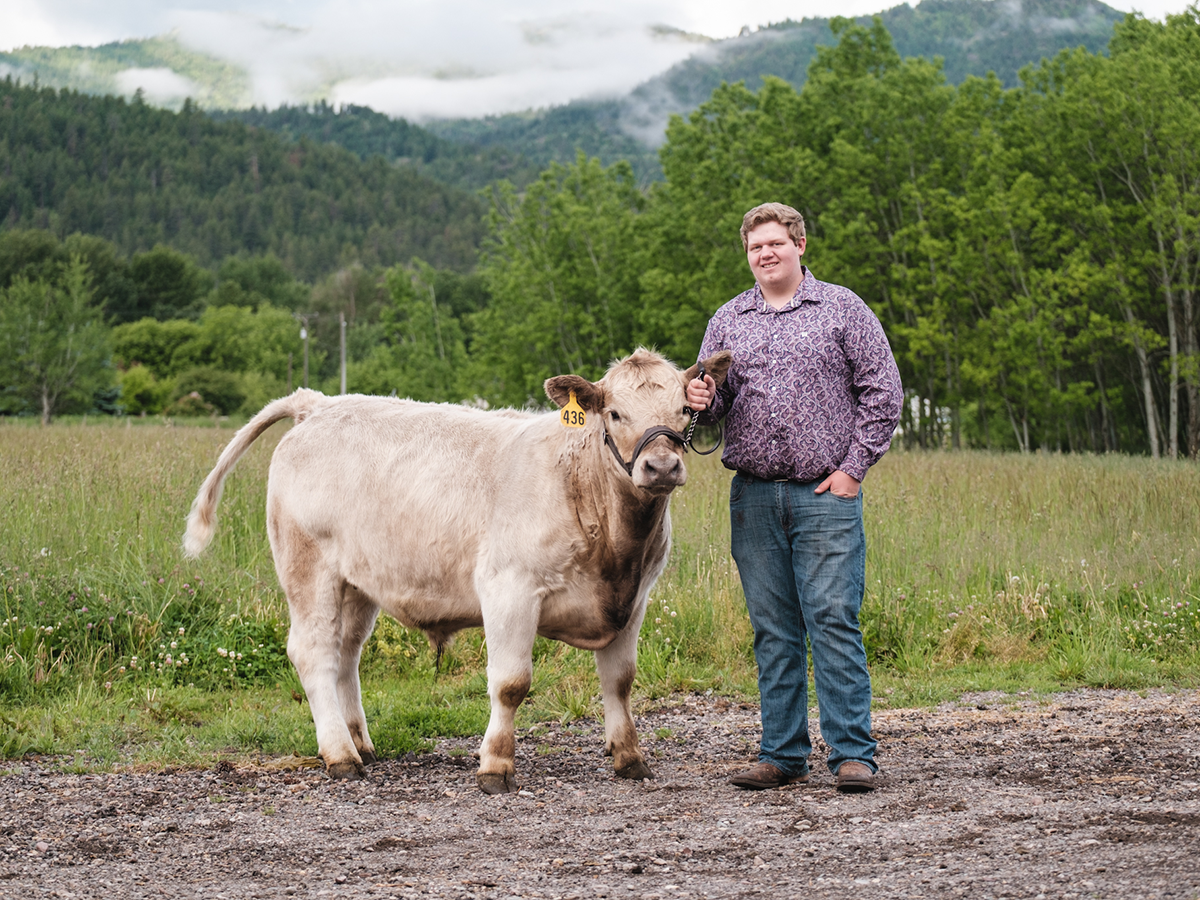
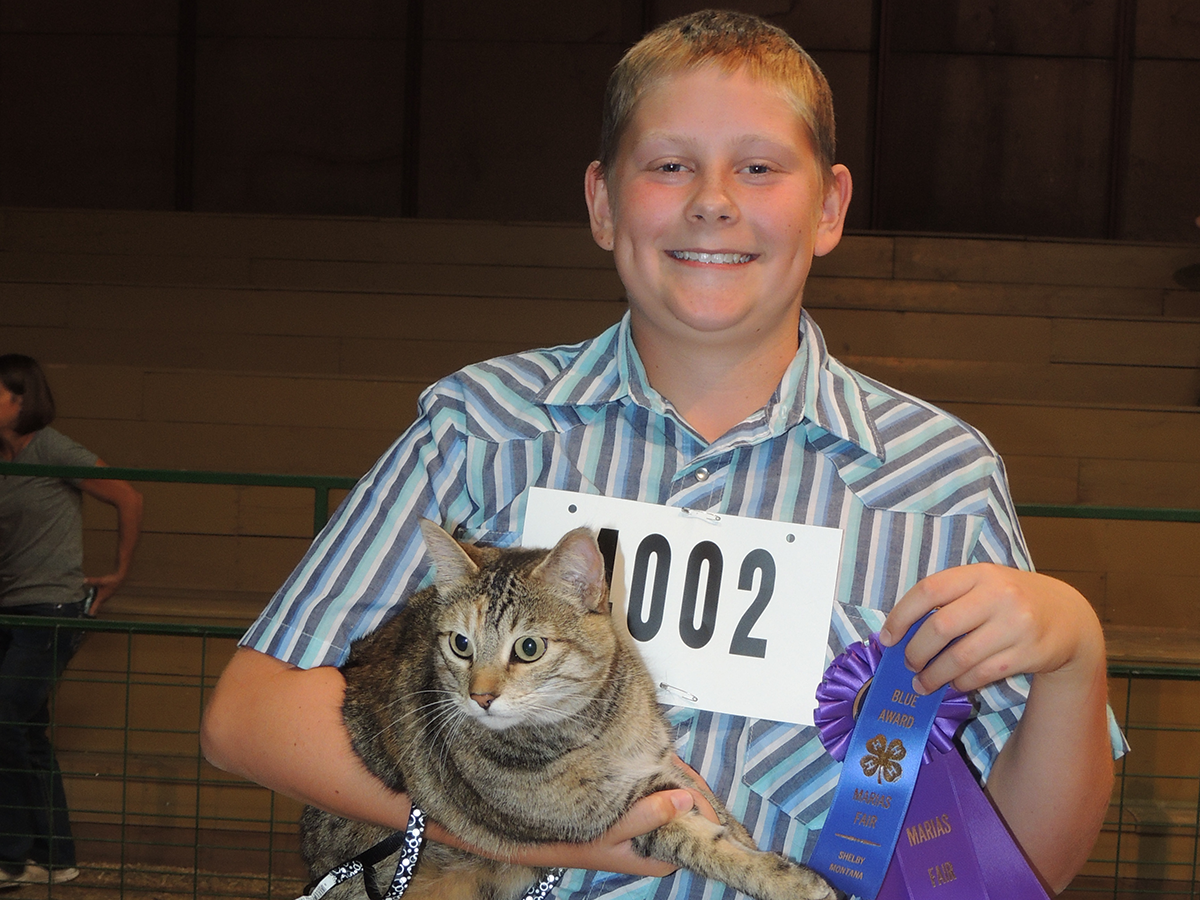
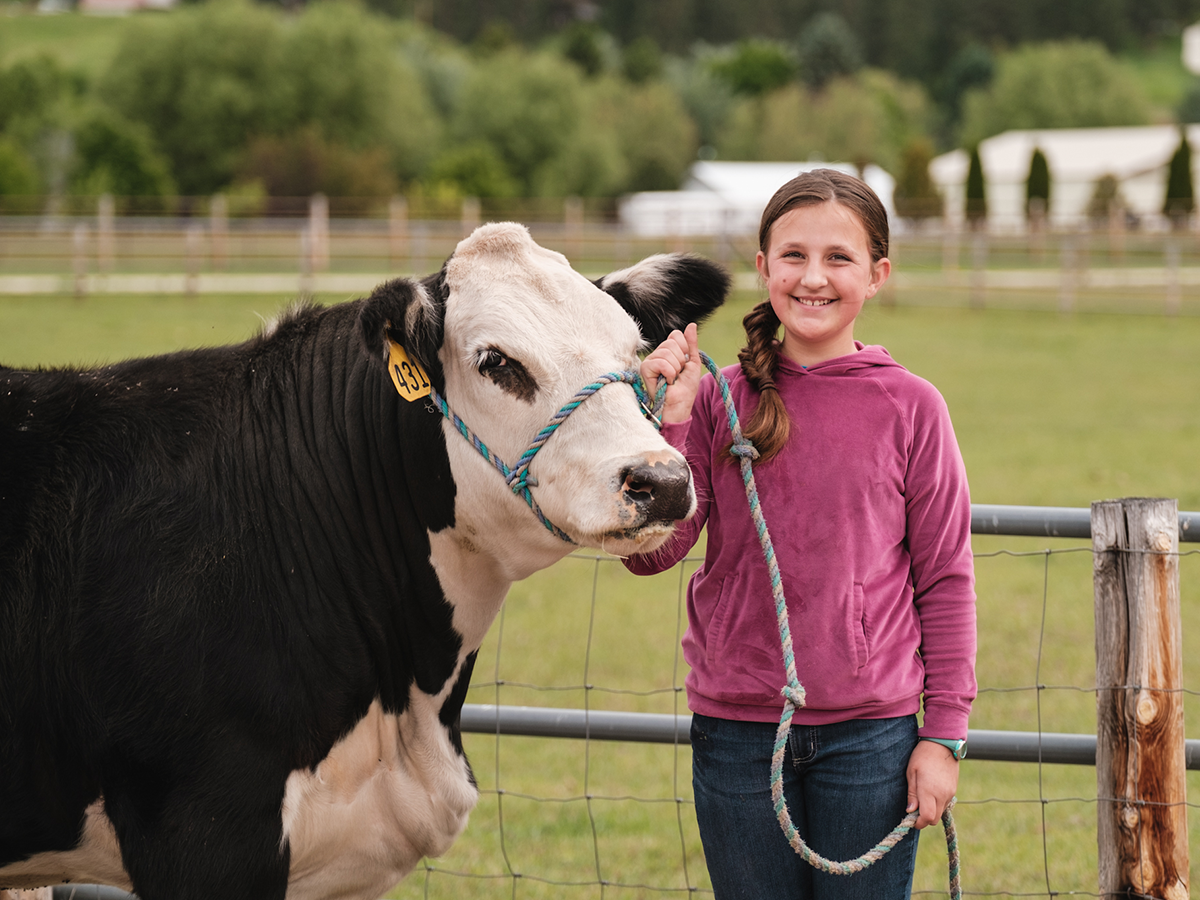
Parents: Showing an animal at the county fair is an educational and memorable experience for youth in the 4-H Livestock projects. Showing livestock builds confidence and character in young people. They learn how to select, care for and keep records on their project. From the time that an animal project is started until it is finished the youth is responsible for a major part of the daily care of their project.
Successful 4-H members have caring adults in their lives who are truly enthusiastic about projects the member is taking. It is important that adults offer supervision, assistance and encouragement to the 4-H'ers. As an adult if you are willing to help in these ways, it will make a difference. However, be aware that while having caring adults is clearly important, it is equally important that parents and other adults not go too far with helping. It is important to support and assist to a reasonable extent, but not to do the chores and requirements called for by the project for the child. It is also inappropriate for a professional to own, care for or groom the project animals.
Families are encouraged to have realistic conversations about the time and other resources that animal projects require. Animal projects take a minimum of one hour daily to care for the basic needs, such as feeding, watering and vet care of the animal. Market beef projects typically start in November or December and continue through July or August. Pig, sheep and goat market projects start in April or May and continue through July or August. Training and preparing an animal for show will take several additional hours per day. Breeding projects are a year-round commitment for both the member and family.
Each county fair or show in Montana will have its own unique rules and guidelines. It is the member’s responsibility to read and understand the regulations and rules that govern their project and the shows they want to participate in. It is suggested that the youth obtain a copy of the county information that is specific to their project before they start the project.
The family has decided to commit to the responsibility of owning animals and supporting youth members in taking a livestock project. Which Project? Below are several questions that should be answered as a family, to help prepare you for ownership of an animal.
- What are the goals for this project?
- What species will be raised?
- Will only market animals be raised, or will the project expand into breeding?
- How many animals can we feed at one time?
- How will we market the animal(s)? (both breeding and market)
- How much time and money do we have and want to invest?
- What are our facilities suitable for?
- Do they need improvement?
- Do we have the resources available to provide proper health care?
- Are we comfortable with selecting animals to purchase?
- Is there someone in the community that can help us select animals?
- What are the regulations at the local fair?
- Will we be showing in other fairs or jackpot shows?
- How will we transport the animals?
A great way to gather information is to attend and observe a show as a family. At the show you will see firsthand some of the work and commitment that is part of a livestock project. In addition, it is a great chance to meet and talk to exhibitors and producers. Most of these people are happy to share thoughts and suggestions. It is important to develop good relationships with other producers as they are a great source of information.
Montana 4-H believes in the ethical treatment of all animals. As part of this mission, all 4-H members (and a parent or guardian) enrolled in any animal project, including breeding projects, must become certified through Animal Quality Assurance training at least once as a junior 4-H member and recertify once as a senior 4-H member. All new members are required to complete a county Animal Quality Assurance training workshop in their first year.
Discuss options with your local agent to determine the requirements and recertification opportunities available. In some counties, senior 4-H members, if previously certified, may recertify through county AQA training, by successfully completing an official online course offered by industry associations or universities, or by teaching AQA to younger members. Some counties require beginners (age 8–10) to take the class and then again as a junior (age 11–13).
By completing the minimum requirements at each level, you’ll learn about every part of the project and be ready for the next level. The achievement program will help you set goals, record your successes and be recognized for good work. Each level can take several years to complete. You are not expected to complete a level each year. In some projects, more than one level can be completed in a year if you are highly motivated. Remember, keeping records is an important part of every livestock project.
Project list