

Veterinary Science
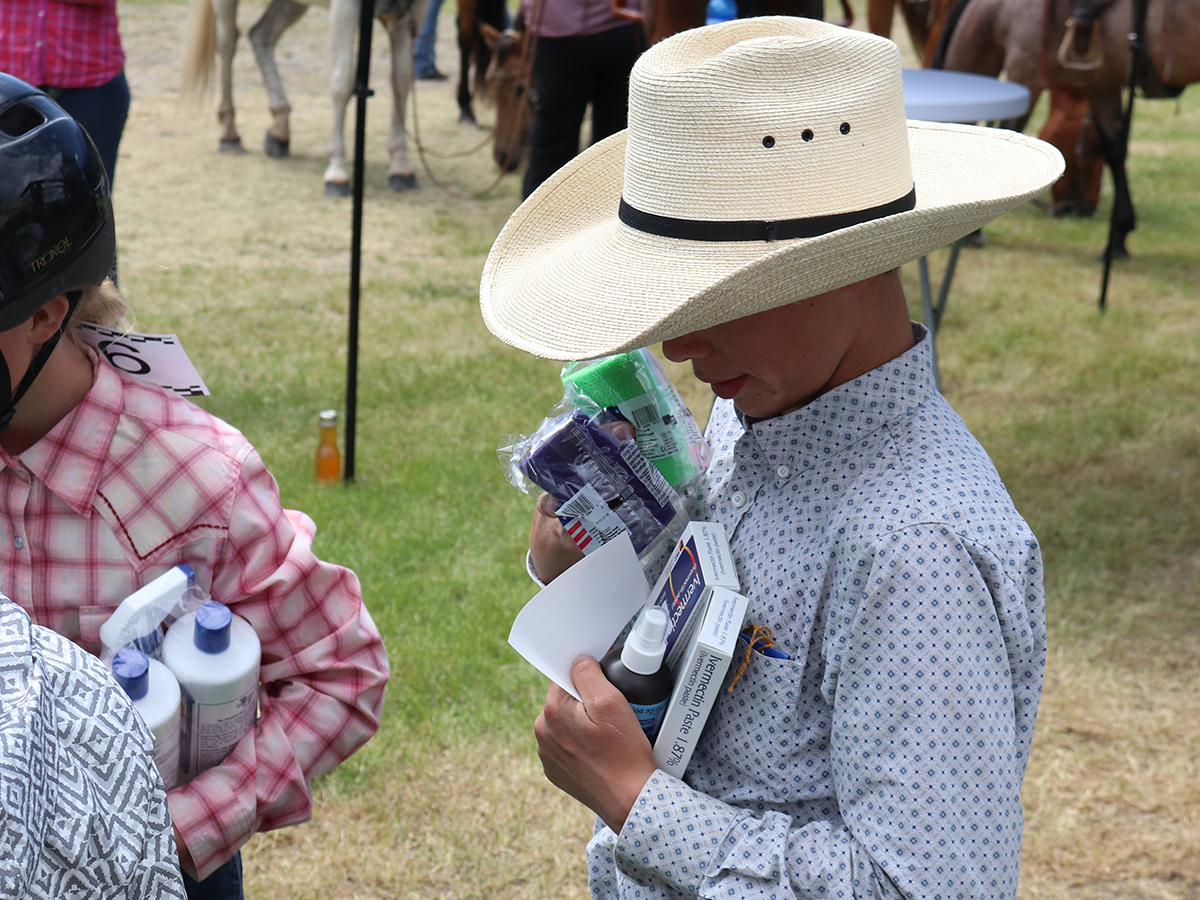
Veterinary Science is designed to help you better understand animals. Knowledge in veterinary science assists in the protection of human welfare by applying the art and science of medicine to animals. Inspection of meat and poultry, the care of all food and pet animals, controls for diseases that already affect humans, and how to safeguard our food supply are some of the things you’ll learn. You are not required to own an animal to enroll in this project, but it would be helpful if you had one available to study.
It may take three years to complete a level. You must complete a minimum of seven activities and five learning experiences each year to complete this project.
Projects to learn
At level 1 of Veterinary Science, students will learn
- about animals
- purchase and care for animals in the future
- normal animals
- basic anatomy and body systems
- elementary principles of disease
- careers with animals
At level 2 of Veterinary Science, students will learn
- create health records for your animal
- investigate body systems
- discover the importance of immunity
- explore biosecurity measures
- examine parasite life cycles
- recognize the importance of quality assurance
- conduct a food safety experiment
- investigate disease-causing agents
- apply math and science skills
- consider ethics and animal welfare
At level 3 of Veterinary Science, students will learn
- to share your experience and knowledge with others through some leadership roles in veterinary science
- how to describe “typical” animal behavior
- conduct an experiment about test reliability
- compare reproduction in various species
- consider the function of body organs and systems
- investigate human-animal bonds
- recognize the importance of animal population control
- explore careers in veterinary science
Independent study is for any youth looking for new challenges and opportunities in 4-H. This allows a member to explore topics that have not been investigated while remaining enrolled in a 4-H project. Members enrolling in the independent study phase of a project should
- develop a detailed learning plan for their work
- identify an area of interest within the project area
- set goals and locate resources (people, publications, materials) to carry out a project plan
- determine specific experiences needed to accomplish project goals,
- set a realistic timeline for completion
- carry out the project learning plan,
- share experiences with others
- evaluate outcomes and determine what could be improved.
PROJECT REQUIREMENTS
The individualized learning plan should be approved by a parent, 4-H adult volunteer leader or 4-H agent. For assistance in developing a personal learning contract, use Design Your Own project materials or other goal-setting materials. While independent study provides flexibility and creativity, it also requires serious planning, implementation and evaluation.
Materials you'll need
M From Airedales to Zebras, BU8048
M All Systems Go!, BU8049
M You Decide, 5314
L Helping Them Decide, 5315
L Veterinary Science Helper’s Guide, BU8051 Numerous group activities help youth develop essential life skills as they pursue their interest in veterinary medicine.
Animal Record book
To complete a project, you'll need to have an animal record book sheet filled out and signed by a program leader. Record books focus on reflecting on what you did and learned, along with keeping track of finances spent taking care of and selling an animal.
Careers in Veterinary Science
If you are wanting to explore careers in Veterinary Science, below are some of the potential routes you can take. 4-H members interested in going to college can also visit the 4-H foundation website for scholarships in their county or reservation.