


Pocket Pets
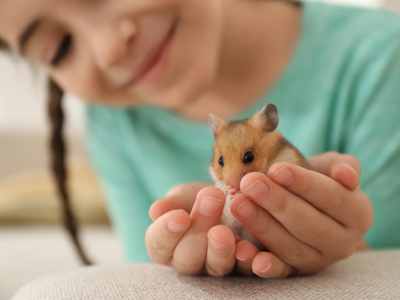
Pocket Pets helps you learn about small hand pets and how to care for them. This is an excellent beginning project, especially if you are a younger member who wants to learn what it’s like to care for an animal. You will develop important life skills and practical skills through hands-on activities that will teach you about your pet’s needs. Pets included in these materials are ferrets, snakes and turtles, hamsters, gerbils, mice, fish, frogs and toads, lizards, birds, guinea pigs and others.
It may take three years to complete a level. You must complete a minimum of seven activities and five learning experiences each year to complete this project.
Projects to learn
At level 1 of pocket pets, students will learn
- different kinds of pets
- costs to raise them
- how to care for them
- communicate effectively with others
- how to make good decisions
- how to be responsible
- how to plan and organize
At level 2 of pocket pets, students will learn
- expand your knowledge of pets and improve life skills
- animal’s digestive system
- pet breeding
- nutritional requirements for pets
- comparison shopping
- signs of good animal health
- how pets communicate
At level 3 of pocket pets, students will learn
- opportunities to develop your leadership and communication skills
- develop a business
- explore careers and teach others
- genetics
- the pet industry
- explore animal welfare issues
- think environmentally
- investigate “pet” sayings
- pet diseases.
Independent study is for any youth looking for new challenges and opportunities in 4-H. This allows a member to explore topics that have not been investigated while remaining enrolled in a 4-H project. Members enrolling in the independent study phase of a project should
- develop a detailed learning plan for their work
- identify an area of interest within the project area
- set goals and locate resources (people, publications, materials) to carry out a project plan
- determine specific experiences needed to accomplish project goals,
- set a realistic timeline for completion
- carry out the project learning plan,
- share experiences with others
- evaluate outcomes and determine what could be improved.
PROJECT REQUIREMENTS
The individualized learning plan should be approved by a parent, 4-H adult volunteer leader or 4-H agent. For assistance in developing a personal learning contract, use Design Your Own project materials or other goal-setting materials. While independent study provides flexibility and creativity, it also requires serious planning, implementation and evaluation.
Materials you'll need
M Scurrying Ahead, BU6360
M Scaling the Heights, BU6361
M You Decide, 5314
L Helping Them Decide, 5315
Animal Record book
To complete a project, you'll need to have an animal record book sheet filled out and signed by a program leader. Record books focus on reflecting on what you did and learned, along with keeping track of finances spent taking care of and selling an animal.
Careers in Pocket Pets
If you are wanting to explore careers in pocket pets, below are some of the potential routes you can take. 4-H members interested in going to college can also visit the 4-H foundation website for scholarships in their county or reservation.